 Gocta Waterfall Tours
Is Gocta Waterfall Worth It? An Honest Look
Last reviewed August 2026
Is Gocta waterfall worth it? Yes, if the reward you're after is standing under a 540 m curtain of water in a quiet rock amphitheatre, and no, if what you actually want is a short walk to a viewpoint and a photograph. Getting to Chachapoyas is already a journey (a flight to Jaén and four hours by road, or a 22 to 24 hour direct bus from Lima), and the hike itself is a genuine 10 to 11 km round trip with about 830 m of climbing. Guided day trips run $44 to $50; going independently costs under S/ 30. What follows is the honest case for going, the honest case against, and who should book one of the Gocta waterfall tours from Chachapoyas below versus who should spend the day elsewhere.
Quick answer
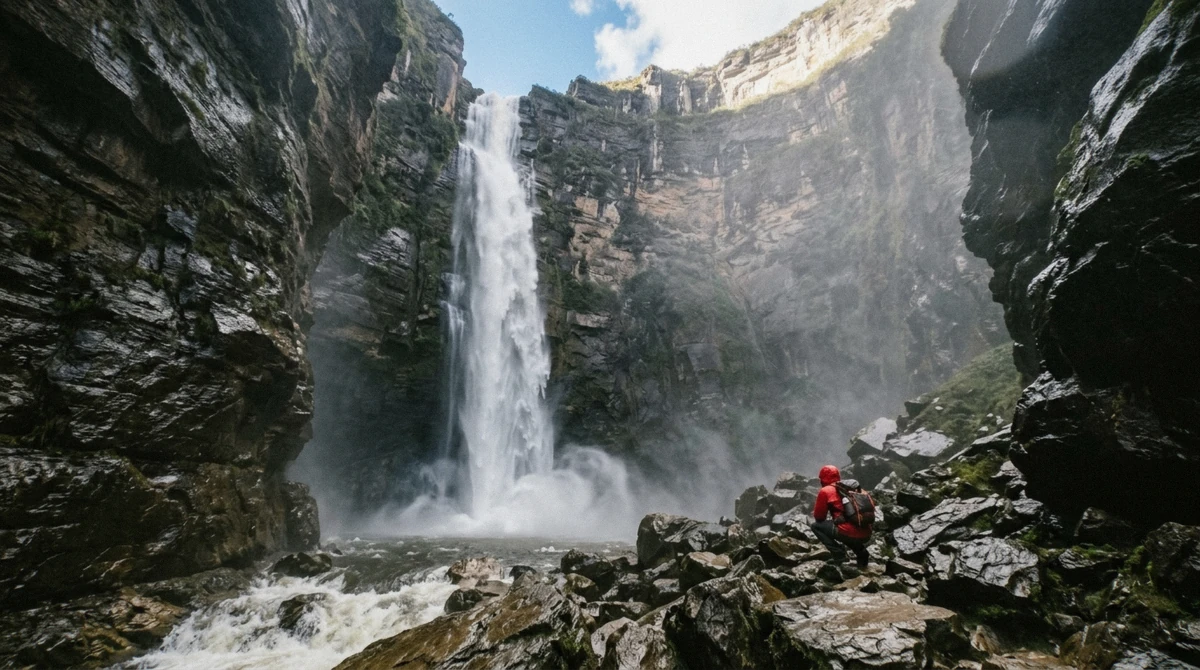
Gocta waterfall is worth it for anyone willing to walk a genuine 10 to 11 km round trip with about 830 m of climbing, but not for anyone hoping for a short stroll to a viewpoint. The reward at the end is a rock amphitheatre under a 540 m drop, with real force in the spray and wind. Guided trips run $44 to $50 with the entrance ticket included, and the trip is more about the walk and the setting than about chasing a disputed world ranking.
Key takeaways
- The hike is the real cost, not the ticket price: 10 to 11 km round trip, roughly 830 m of climbing, two to three hours each way
- Getting to the base town is a trip in itself: Lima to Jaén is about 1.5 hours by air plus 4 hours by road, or 22 to 24 hours by direct bus
- Guided day trips from Chachapoyas run $44 to $50 with the entrance ticket included; independently it costs under S/ 30
- December to March, the upper tier is often hidden in cloud for hours, the most common source of disappointment
- The often-repeated "third highest waterfall in the world" claim is disputed. See the real height and ranking
- The cloud forest on the trail holds the Andean cock-of-the-rock, Peru's national bird, and the endangered yellow-tailed woolly monkey
The Honest Case for Going
Strip away the ranking argument and the brochure language, and what's left is still a genuinely rewarding day.
What you're actually walking toward
The lower tier of Gocta falls about 540 m into a rock amphitheatre, and the base of it is not a distant viewpoint: visitors walk right up to the plunge pool, close enough that the spray and downdraught off the falling water are strong enough to unbalance a person standing upright too near the edge. That physical force is the payoff for the walk, and it is hard to overstate how different it feels from looking at the same fall in a photograph.
The trail earns its own credit too. It runs through cane fields and then climbs into cloud forest thick with orchids and bromeliads, with the two tiers of the fall visible from most of the ridgeline on a clear day. This is not a corridor between a car park and a viewpoint; it is close to two hours of genuinely interesting walking in each direction, on ground that very few visitors to Peru ever cover.
The wildlife layer, underrated
The cloud forest along the trail is habitat for the Andean cock-of-the-rock, Peru's national bird, a bright orange species whose display sites some guides know well enough to point out. The wider Amazonas region is a stronghold for the endangered yellow-tailed woolly monkey and for the marvellous spatuletail, a hummingbird found nowhere else on earth. None of the guided listings on this site sell a dedicated birding trip, but the wildlife is there for anyone walking the trail with their eyes up rather than down at the mud.
| Option | Typical price | Effort | What you get |
|---|---|---|---|
| Guided day trip | $44 to $50, entrance included | 10–11 km round trip, 830 m climbing | Transport, ticket, guide, and lunch on two of the three |
| Independent visit | Under S/ 30 (about $8) | Same trail, same distance | Same waterfall, no guide, no scheduled transport |
| Skip it entirely | $0 | None | More time elsewhere in the region |
The Honest Case Against
None of this is a reason to avoid Gocta outright. It is a reason to know what you're signing up for before you commit a day of a limited itinerary to it.
The journey before the journey
Chachapoyas is not close to anything else on the standard Peru circuit. Getting there means flying from Lima to Jaén, about 1.5 hours in the air, followed by roughly 4 hours by road, or, for travellers avoiding domestic flights, a direct Lima bus that runs 22 to 24 hours. That is a substantial commitment before the Gocta day even begins, and it is worth weighing against how many days a trip has left over for the rest of Peru.
The hike itself, underestimated
The single most common misjudgment about this trip is treating it like a short nature walk. It is a real hike: 10 to 11 km round trip with about 830 m of cumulative climbing, two to three hours of walking in each direction on a clay surface that turns slick in the rain. Anyone expecting a gentle stroll to a viewpoint is going to have a harder day than they planned for. The full breakdown of the trail's surface, elevation profile and difficulty lives on the Gocta hike guide rather than here.
The seasonal weather window compounds this. December to March brings the heaviest rain, the muddiest footing, and long stretches where the upper tier disappears into cloud. Full month-by-month detail is on the best time to visit Gocta page.
The Case For and Against, Side by Side
What we genuinely like
- A genuine 540 m drop viewed from close range, with real force in the spray and wind at the base
- A two-hour cloud-forest walk that is interesting in its own right, not just a means to an endpoint
- Wildlife on the trail, including Peru's national bird and an endangered primate found almost nowhere else
- Low ticket cost either way: guided trips run $44 to $50 and the independent route is under S/ 30
- Free cancellation up to 24 hours on every guided listing, useful given how weather-dependent the day is
The honest downsides
- A real 10 to 11 km hike with about 830 m of climbing, harder than most visitors expect
- Getting to Chachapoyas at all takes the better part of a day, even by air
- December to March brings mud underfoot and the upper tier frequently hidden in cloud
- None of the three bookable listings carries a traveller rating yet, so there's no review score to lean on
- The famous "third highest waterfall" claim doesn't hold up under consistent ranking criteria, which can feel like a letdown if that was the draw
Who it's NOT for: Travellers with limited walking fitness, anyone on a tight one-week Peru itinerary who hasn't budgeted the travel time to Chachapoyas, and visitors chasing the world-ranking claim rather than the waterfall itself.
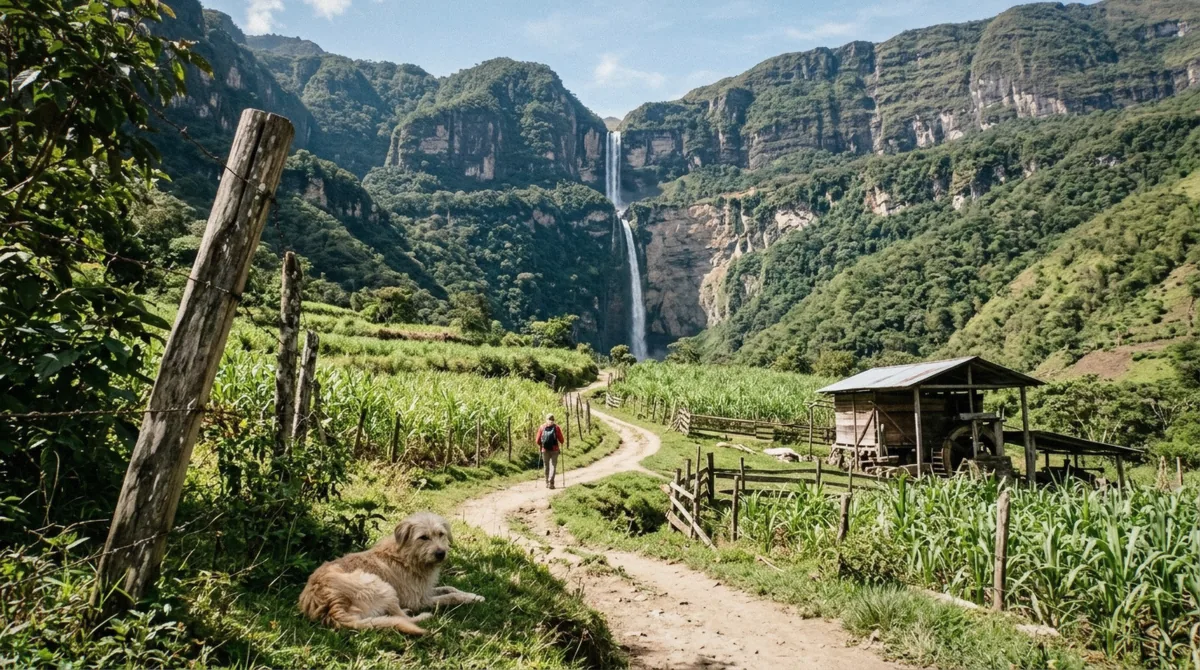
Who Should Go, and Who Should Skip It
If You have a full free day in Chachapoyas and can walk 10+ km
Go. This is exactly what the trip is built for, and the effort is rewarded at the base.
If You're short on time and Peru still has Machu Picchu, Cusco or the coast left to cover
Weigh the travel time to Chachapoyas honestly before committing a full extra day here.
If You have limited walking fitness or a knee/joint condition that struggles on uneven ground
Skip it, or arrange a horse in the village rather than attempt the full hike on foot.
If You're travelling December to March
Go anyway, but expect mud and accept that the upper tier may sit in cloud for hours.
If You want birds and wildlife as much as the waterfall
Go, and walk with your eyes up on the cane-field and cloud-forest sections, not just at the trail.
What People Are Actually Disappointed By
The complaints that do surface about this trip cluster around a small number of predictable causes.
The two real sources of disappointment
By far the most common one is weather: in December through March, the upper tier is often hidden in cloud for hours at a time, and a visitor who arrives expecting the postcard version of both tiers stacked together can leave feeling shortchanged, even though the lower tier is still fully visible and still 540 m tall. The second is the ranking claim: travellers who came specifically because they'd read Gocta was the third-highest waterfall in the world sometimes feel misled once they learn the figure is disputed and that consistent-criteria databases place it closer to 16th; the full explanation of where that number came from and why it's argued over sits on the height and ranking page.
Neither of these is really about the waterfall itself. Both are about expectations set by marketing rather than by the trail.
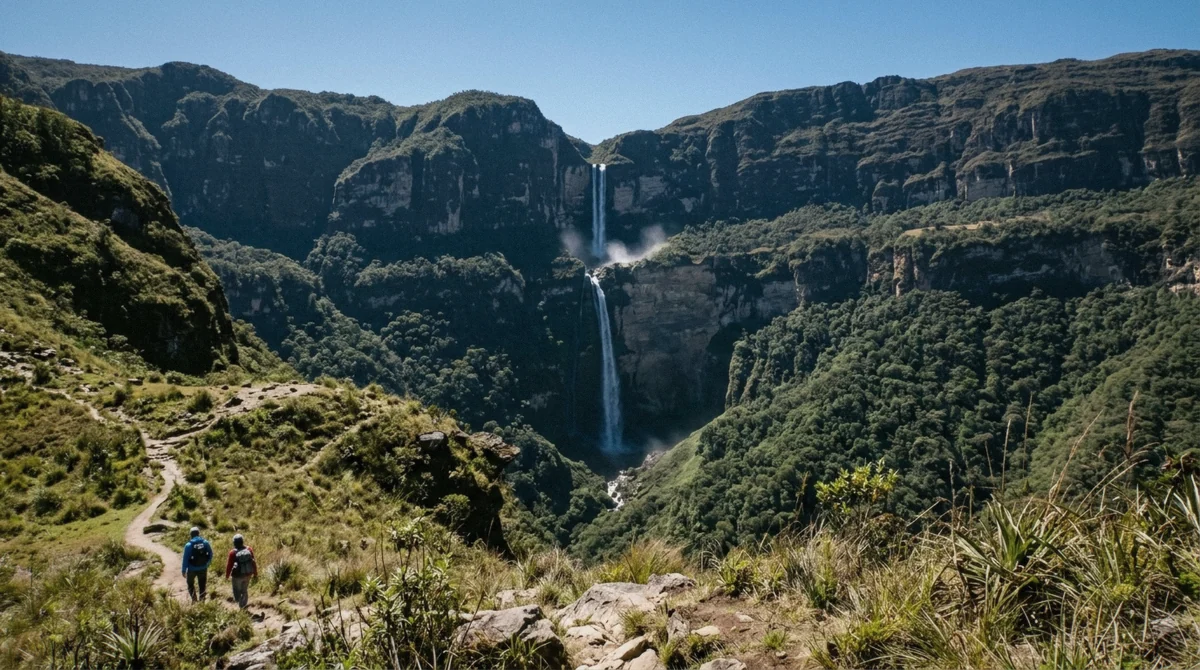
How It Compares with Peru's Better-Known Days Out
Gocta will never be Machu Picchu, and it isn't trying to be. Set against Peru's other headline day trips, it occupies a specific niche: physical, quiet, and almost entirely free of crowds.
Where it sits
Machu Picchu is a half-day of walking at most, with infrastructure built for high volume and a permit system to match. Rainbow Mountain is a shorter, steeper push at serious altitude, over in a few hours. Colca Canyon trades walking distance for a two-day structure built around condor sightings at dawn.
Gocta sits apart from all three: no permit system, no altitude concern worth mentioning, and a hike length that outlasts any of them, in exchange for a fraction of the visitor numbers.
| Day trip | Typical time on foot | Altitude factor | Crowd level |
|---|---|---|---|
| Machu Picchu (day visit) | 2 to 4 hours | Moderate, 2,430 m | Heavy, managed by permit |
| Rainbow Mountain | 3 to 4 hours, steep | High, above 5,000 m | Heavy in peak season |
| Colca Canyon (2-day) | Several hours across two days | Moderate, around 3,600 m | Moderate |
| Gocta waterfall | 4 to 6 hours round trip | Low, cloud forest under 2,500 m | Light, no permit system |
What that trade actually means
Anyone who has done Machu Picchu or Rainbow Mountain and found the crowds as memorable as the sight itself will notice the difference immediately at Gocta: long stretches of trail with nobody else on them, and a plunge pool that rarely has more than a handful of people around it at once. The trade is that Gocta demands more time on foot for a single sight, with none of the supporting infrastructure (no rest stations, no viewpoint cafes) that the bigger names have built up over decades of higher visitor numbers.
What Makes the Day Work
A handful of small decisions separate a day that delivers from one that disappoints.
The practical version
Go with real hiking boots, not trainers: the clay trail punishes anything without grip, whatever the month. Choose a dry-season or shoulder-season date if the calendar allows it, since footing and upper-tier visibility both improve outside December through March. Book a guided trip if language, transport logistics, or simply not wanting to plan the day yourself would otherwise keep you from going at all; the $47 trip is the shortest of the three compared on the homepage, useful for anyone who wants the walk without stretching the whole day out.
None of that changes the basic shape of the answer. Gocta rewards people willing to spend a physical day for a specific, uncrowded payoff, and it disappoints people expecting an easy walk to a famous number. Decide which one describes the trip you actually want before you book it.
Is Gocta Waterfall Worth It: Questions Travellers Ask
Is Gocta waterfall worth visiting?
Yes, for travellers willing to walk 10 to 11 km round trip with about 830 m of climbing. The reward is standing at the base of a 540 m drop in a rock amphitheatre few other Peru day trips can match for quiet.
Is the Gocta hike too hard for casual walkers?
It's a genuine hike, not a stroll: two to three hours each way on a clay trail with real elevation gain. A reasonably fit casual walker can do it, but anyone without regular walking fitness should expect a demanding day.
Is Gocta better than other Peru waterfalls?
It's among the tallest, at 771 m across two tiers, but Yumbilla, roughly two hours from the same base town, is measured taller at about 896 m and sees far fewer visitors. "Better" depends on whether you value height, accessibility or solitude most.
What is disappointing about Gocta?
Two things come up most often: the upper tier hidden in cloud during the December to March wet season, and travellers who expected the disputed "third highest waterfall in the world" claim to be uncontested fact.
How long do you spend at the waterfall?
Time at the base itself runs from about 30 minutes to 90 minutes depending on the tour, on top of the two to three hours of walking each way. The whole day, door to door from Chachapoyas, runs 7 to 9 hours.
Is it worth doing Gocta if I only have a few days in Peru?
Weigh the travel time honestly: reaching Chachapoyas from Lima takes a flight to Jaén plus four hours by road, or a 22 to 24 hour bus. On a short trip focused on Cusco or the coast, that's a significant detour for one waterfall.
Can I skip the guided tour and still have a good day?
Yes. Going independently costs under S/ 30 and reaches the same trail and the same waterfall. What the guided trips add is transport, a scheduled day, and a guide who can explain what you're walking through.